
Luxury used to be loud. Bigger house, busier schedule, harder flex. Even fitness followed that logic for a long time. The harder the workout looked, the more impressive it seemed. Sweat, soreness, and exhaustion were treated like proof that a person was doing life properly.
That mood has changed. People still want strong bodies, but they do not want to feel wrecked all week just to get there. They want workouts that fit a good life instead of taking it over. They want to feel better walking out, not only tired. That is where this newer version of luxury starts to show itself.
The soft life idea gets mocked sometimes, but the better version of it is not lazy at all. It is selective. It is about choosing what is actually worth your energy. In fitness, that means fewer random routines, less punishment, and more interest in movement that feels refined and effective at the same time.
Why “Soft Life” Fitness Looks Different Now
A few years ago, soft life content leaned heavily on image. Beautiful routine. Beautiful kitchen. Beautiful workout set. It all looked calm, but sometimes the fitness side of it felt a bit empty. Nice aesthetic, not much depth.
Now the picture looks different. The visual side is still there, but people want more from it. They want:
- Strength that shows up in daily life
- Better posture and better body control
- Workouts that challenge without wrecking recovery
- A routine that still feels good after the trend fades
That is why Pilates keeps fitting this moment so well. It can improve flexibility, balance, and strength, which helps explain why it now feels more substantial than aesthetic alone. It still has the clean, elevated energy people like, but now the appeal is not only visual. It feels more substantial. More grounded. More useful.
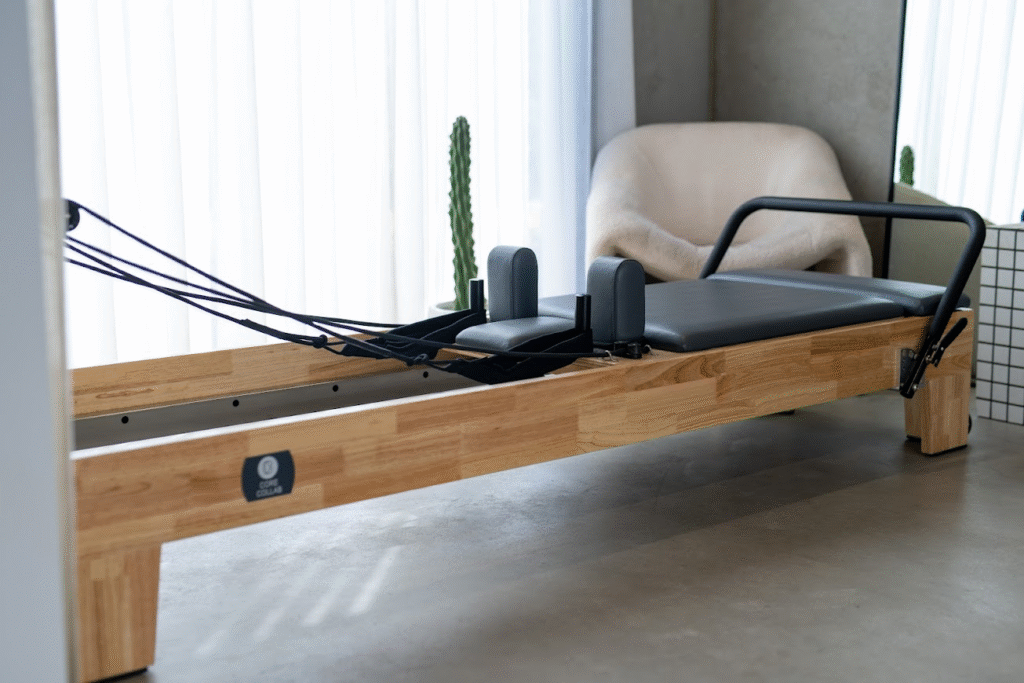
This is also why interest grows quickly when people come across a luxury Pilates reformer machine setup that brings studio-style resistance into the home. It fits the aesthetic, yes, but it also suggests something deeper: strength without noise, discipline without chaos, and a workout that feels considered rather than aggressive.
Strength No Longer Feels Separate From Style
There used to be a strange divide in the way fitness was marketed. One world was feminine, polished, and aesthetic. The other was serious, hard, and built around visible grind. That line looks dated now.
A lot of women want both. They want softness in the atmosphere and strength in the body. They want a routine that looks clean, but still asks something real of them. That is part of why Pilates has shifted from being seen as “nice” to being seen as genuinely powerful.
The interesting part is that slower training often ends up feeling harder than expected. A controlled movement exposes everything. A shaky hold tells the truth very quickly. There is less room to bluff your way through.
That kind of strength looks different from the old gym culture version, but it still counts. In practical terms, stronger core work supports better balance and stability, which is part of why this version of strength feels so relevant now—much like how people who sign up for Singapore first aid courses are looking for capability that feels calm on the surface but is built on real, disciplined skill underneath.
Why Low-Impact Feels More Expensive Than Burnout
High-impact fitness had its era. Loud classes, punishing circuits, maximum effort all the time. That style still works for some people, but it no longer feels like the only version of discipline. For a lot of people, it does not even feel aspirational anymore.
What feels aspirational now is quality. A workout that is tough, but not chaotic. A routine that builds strength without constantly inflaming everything. A body that feels capable, not just exhausted.
Low-impact training fits that shift because it tends to offer:
- More consistency from week to week
- Less wear and tear from constant pounding
- More control throughout the whole session
- A better chance of wanting to come back tomorrow
That is a different kind of luxury. Not excess. Not drama. Just something better designed.
The Home Setup Started Meaning More
Home workouts used to feel temporary. A mat in the corner. A pair of weights was shoved under a chair. Something you did when you could not get to class. That is not really the mood anymore.
Now the home setup says something about how a person wants to live. It is part of the atmosphere. People care how the space feels, how the routine fits into it, and whether the equipment looks like it belongs there. That is especially true in homes where design already matters.
This is where reformer-based training makes sense beyond the workout itself. It brings structure. It gives a stronger studio feel. It also makes the session feel more intentional. In a luxury context, that matters. People are not only buying equipment. They are buying a certain experience of movement.
Soft Life Is Not About Doing Less
This is where the phrase gets misunderstood. Soft life is not really about doing the bare minimum. It is about refusing things that drain more than they give back. That applies to work, social life, and yes, workouts too.
A lot of people are simply less impressed now by routines that leave them aching, cranky, and weirdly depleted for days. They want training that gives something useful back. Better strength. Better control. Better energy. Better recovery. That is not softness in a weak sense. That is discernment.
Fitness looks different when viewed through that lens. The routine stops being a punishment ritual and starts becoming part of a better life. That is a major shift, and it is probably why this style of training keeps growing.
Why This Shift Feels Bigger Than A Trend
Some trends burn bright because they look good online. This one has lasted because it feels good in real life. That is a different thing. It survives outside the photos.
People still want polish. They still want beautiful spaces and routines that feel aspirational. But now they also want substance. They want to feel stronger, more stable, and more at home in their own body. That combination is what makes the whole thing stick.
The newer version of luxury fitness is not about proving how hard you can go. It is about choosing better. Better movement. Better recovery. Better design. Better standards. That is why soft life and strong body no longer feel like opposites. Right now, they look like they belong together.