
Onnilaina is an unusual name that may catch the attention of anyone interested in quiet travel destinations, hidden places, nature, and local culture. Online descriptions connected with Onnilaina present an appealing picture of forests, outdoor adventures, local food, family traditions, wellness activities, and volunteering.
At first, this sounds like the perfect destination for travelers who want to move away from crowded tourist cities.
But there is an important problem: the basic location information is difficult to verify.
A normal travel destination usually has a country, region, town, airport, map location, landmarks, accommodation options, transportation information, and other details that travelers can independently check. The travel descriptions associated with Onnilaina do not clearly provide these important facts.
This does not prove that Onnilaina is fake. It also does not prove that every description about it is false. Instead, it means that readers should treat Onnilaina as an unverified travel claim until stronger evidence can confirm exactly what and where it is.
This guide explores what Onnilaina is said to be, why the descriptions are attractive, what information is missing, and how travelers can verify unusual destinations before making plans or spending money.
What Is Onnilaina?
Onnilaina is an uncommon term that has appeared in online travel-related content. Some descriptions portray it as a peaceful destination connected with nature, local communities, traditional food, outdoor activities, wellness, and volunteering.
The descriptions create an image of a place where visitors can slow down and experience a quieter side of travel.
However, the available travel descriptions do not establish the most basic geographic facts about Onnilaina. There is no clearly identified country, city, region, airport, official tourism organization, or confirmed map location in the material being discussed.
That makes the term difficult to classify.
Onnilaina could potentially refer to a real but poorly documented place, a local name that is difficult to find online, a misunderstood term, or a travel concept created or expanded through online content.
Without independent evidence, it is not responsible to present one explanation as certain.
For travelers, the most accurate description is therefore that Onnilaina is an unverified travel-related name or destination claim.

Why Does Onnilaina Sound Like a Travel Destination?
The name Onnilaina has an unusual and memorable quality.
It does not immediately remind most English-speaking readers of a famous city or tourist attraction. That unfamiliar feeling can actually make it more interesting.
Many modern travelers actively search for places that feel different from traditional tourist destinations. They may look for:
- Quiet villages
- Hidden natural areas
- Local food
- Small communities
- Forests and mountains
- Cultural experiences
- Wellness retreats
- Outdoor adventures
- Less crowded destinations
Onnilaina fits this general idea very well.
The name creates a sense of mystery. A reader may imagine a small place surrounded by nature, far away from busy cities and large tourist crowds.
That emotional appeal is important to understand because travel content often works through imagination.
A strong travel story can make readers picture themselves walking along a forest path, eating a local meal, meeting residents, or watching the sunset.
But imagination should not be confused with evidence.
Also Read: Pantagonar: Key Facts, Possible Meanings, and Uses
A destination needs more than an appealing name before someone should book a flight or send money to a travel provider.
What Do Online Descriptions Say About Onnilaina?
Online descriptions associated with Onnilaina present a wide range of attractive travel experiences.
These descriptions may mention:
- Natural scenery
- Forest trails
- Waterfalls
- Rivers
- Clear pools
- Outdoor activities
- Local families
- Traditional customs
- Food markets
- Family recipes
- Cooking activities
- Wellness experiences
- Yoga
- Meditation
- Organic farming
- Volunteering
- Conservation
- Sustainable living
Individually, none of these activities is unusual.
In fact, they are common features of many genuine destinations around the world.
The problem is the lack of specific details connecting these experiences to an identifiable location.
For example, a reliable travel guide might say that visitors can hike a particular trail in a named national park. It might identify the nearest town, explain transportation, provide the best season to visit, and name local accommodation.
The Onnilaina descriptions do not provide enough information of this kind.
As a result, the content creates a strong travel atmosphere without giving readers enough evidence to independently verify the destination.
Is Onnilaina a Real Place?
There is not enough reliable information to confidently identify Onnilaina as an established travel destination.
That statement needs to be understood carefully.
Saying that a destination is unverified is not the same as saying it does not exist.
Small places can have very little online information. Some communities may use local names that are not widely recognized internationally. Some geographic locations may also appear under different spellings or names.
Therefore, the absence of strong search results alone cannot prove that a place is imaginary.
However, travelers should still be cautious.
If a website presents Onnilaina as a destination but cannot tell readers where it is located, how to reach it, or how to verify it, the information is not sufficient for practical travel planning.
The responsible approach is to keep the claim open while looking for independent evidence.
Where Is Onnilaina Located?
One of the biggest unanswered questions about Onnilaina is its location.
A useful travel article should normally answer several basic questions:
- What country is Onnilaina in?
- What region is it part of?
- Is it a city, village, island, valley, park, or resort?
- What is the nearest major city?
- Which airport serves the area?
- What transportation is available?
- Can the location be found on a trusted map?
The travel descriptions under discussion do not clearly answer these questions.
This is significant because location is the foundation of travel information.
Without knowing where a destination is, a traveler cannot reasonably determine:
- Flight options
- Visa requirements
- Weather
- Currency
- Transportation
- Accommodation
- Local laws
- Safety conditions
- Travel time
- Insurance requirements
For this reason, the lack of a clear location is the strongest reason to approach Onnilaina cautiously.
Why Is a Clear Map Location Important?
A map is one of the simplest ways to verify a destination.
When a location is real and publicly accessible, travelers can often find it through established mapping services or official geographic information.
A map can provide useful clues such as:
- Nearby roads
- Towns
- Airports
- Rivers
- Parks
- Hotels
- Restaurants
- Businesses
- Transportation routes
It can also help identify whether multiple sources are actually discussing the same place.
If an article describes a destination in great detail but provides no verifiable map location, that should encourage further research.
Travelers should be particularly careful when an unfamiliar website asks them to pay for accommodation, tours, transportation, or volunteering before they can independently verify the location.
What Nature Attractions Are Associated With Onnilaina?
Descriptions of Onnilaina make it sound attractive to people who enjoy nature.
The material mentions experiences such as forests, waterfalls, rivers, pools, cliffs, trekking, kayaking, rock climbing, and wildlife observation.
These activities create an exciting picture.
Imagine a destination where visitors can hike through forests in the morning, explore waterfalls during the afternoon, and relax beside clear water in the evening.
That sounds appealing.
However, good nature travel information normally identifies the actual places involved.
For example, a trustworthy guide might name:
- A national park
- A waterfall
- A river
- A hiking route
- A mountain
- A protected wildlife area
- A climbing site
The Onnilaina descriptions do not provide enough specific names to allow travelers to verify these claims.
This creates a difference between descriptive travel writing and practical travel information.
Descriptive writing tells you what a place supposedly feels like.
Practical travel information tells you where the experience actually happens.
Both are useful, but travelers need the second type before making real plans.
Are the Wildlife Claims About Onnilaina Verified?
Wildlife is another area where readers should be careful.
Travel descriptions can become more exciting when they mention rare animals, birds, or unusual species.
But responsible wildlife information should identify the species whenever possible.
It should also explain:
- Where the animals can be found
- Whether the area is protected
- Whether wildlife tours are available
- Which seasons are best
- Whether guides are required
- What safety rules apply
Simply saying that a location has rare wildlife does not provide enough information.
It can also create unrealistic expectations.
Travelers should never assume they will see a particular animal simply because an article mentions it.
Wildlife sightings are naturally uncertain, and genuine conservation areas often have strict rules designed to protect both visitors and animals.
What Cultural Experiences Are Linked to Onnilaina?
The Onnilaina travel story also emphasizes cultural experiences.
Some descriptions suggest that travelers can interact with local families, share meals, learn traditions, attend community activities, drink tea, and spend time around outdoor fires.
These experiences represent a form of slow or community-based tourism that has become increasingly popular.
Many travelers want more than sightseeing.
They want to understand how people live, cook, work, celebrate, and maintain traditions.
That can be a positive goal.
However, cultural claims should be specific and respectful.
A reliable article should ideally identify the:
- Local community
- Language
- Region
- Historical background
- Cultural organization
- Traditional event
- Named village or town
The absence of these details makes it difficult to determine which culture the Onnilaina descriptions are actually referring to.
Culture should never be used simply as decoration to make an unknown destination sound exotic.
What Food Is Onnilaina Supposed to Offer?
Food is another major part of the Onnilaina travel story.
Descriptions mention local markets, fresh produce, spices, street food, family recipes, seasonal ingredients, cooking activities, and special desserts.
Food tourism is popular because meals can provide a direct connection to local culture.
Travelers may enjoy visiting markets, learning recipes, eating traditional meals, or speaking with local cooks.
But once again, specific information matters.
A useful food guide would normally tell readers:
- The names of local dishes
- Main ingredients
- Where dishes are served
- Which markets are popular
- Which restaurants are recommended
- What foods are seasonal
- Whether dietary options are available
Without names of dishes, restaurants, markets, or regional cuisine, the Onnilaina food descriptions remain difficult to verify.
The descriptions may sound authentic, but sounding authentic is not the same as being independently confirmed.
What Wellness Experiences Are Associated With Onnilaina?
Wellness is another theme connected with the Onnilaina travel descriptions.
The material mentions ideas such as:
- Yoga
- Meditation
- Healthy eating
- Massage
- Herbal baths
- Mindfulness
- Organic farming
- Quiet natural surroundings
Wellness tourism has become a major part of the travel industry.
People often travel specifically to reduce stress, spend time in nature, improve their daily habits, or take a break from technology and work.
But wellness claims need verification just like other travel claims.
If a website says that Onnilaina offers yoga retreats or wellness programs, travelers should look for the names of actual retreat centers, hotels, instructors, or organizations.
They should also check:
- Prices
- Dates
- Qualifications
- Accommodation
- Cancellation policies
- Safety information
- Health disclaimers
A general statement about “healing nature” or “mindful living” is not enough to establish that a professional wellness service exists.
What Volunteering Opportunities Are Linked to Onnilaina?
Volunteering is one of the more sensitive claims associated with the Onnilaina story.
The descriptions mention activities such as:
- Teaching English
- Sustainable farming
- Conservation
- Community projects
- Organic agriculture
- Local development
Volunteering can be meaningful when it is organized responsibly.
Also Read: ICOSTAMP.com: A Complete Guide to Business Finance and Growth
However, travelers should never join an unknown volunteer program based only on an attractive online description.
A legitimate program should normally provide information about the organization, project, supervision, costs, responsibilities, and expected outcomes.
Important questions include:
- Who operates the program?
- Is the organization registered?
- Where exactly does the project take place?
- Who supervises volunteers?
- What fees are charged?
- Where does the money go?
- What training is provided?
- What happens in an emergency?
- What impact does the project have on the local community?
If those questions cannot be answered, travelers should be cautious.
Could Onnilaina Be a Hidden Travel Destination?
Yes, it is possible.
The lack of online information does not automatically mean a place is fictional.
Some small communities receive little international tourism coverage. Others may be known locally but have almost no English-language information.
A destination may also have alternative spellings or translations.
For that reason, readers should avoid making absolute claims without evidence.
At the same time, the possibility that Onnilaina is a hidden destination should not be treated as proof that it is one.
There is a major difference between:
“Information is difficult to find.”
and:
“This place definitely exists as described.”
The first statement can be supported by a search experience.
The second requires evidence.
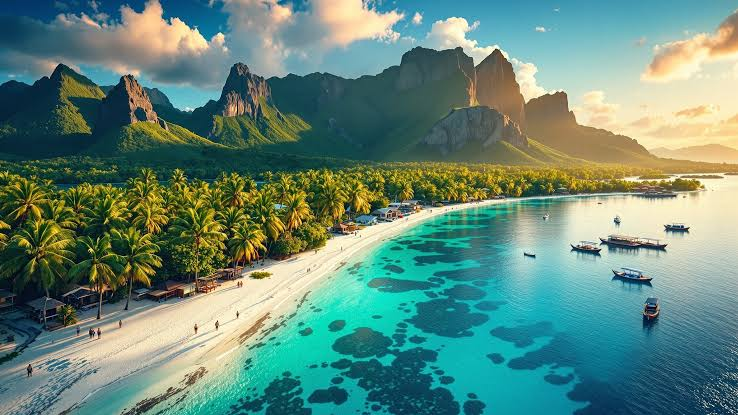
Could Onnilaina Be an Online Content Pattern?
Another possibility is that Onnilaina is an example of a broader online publishing pattern.
Websites sometimes create articles around unusual or low-competition keywords.
An unfamiliar word can become the center of an article containing familiar themes such as:
- Nature
- Wellness
- Adventure
- Local culture
- Food
- Community
- Sustainable tourism
These subjects are popular and easy to describe.
The result can sound highly detailed while remaining short on verifiable facts.
This does not automatically mean the writer intended to mislead readers.
It simply means readers should distinguish between content that sounds informative and information that can be independently confirmed.
How Can Readers Verify Onnilaina?
Readers can use a simple verification process.
Start by searching the exact name.
Then try spelling variations.
Next, check established map services.
After that, look for official tourism websites or government information.
Search for independent references rather than only pages that repeat the same description.
Useful evidence may include:
- Government websites
- Tourism boards
- Local news
- Established travel publications
- Verified hotels
- Local business listings
- Transportation providers
- Independent traveler reviews
- Geographic databases
If multiple independent sources identify the same location, confidence increases.
If nearly every article repeats the same vague description without providing new evidence, caution is appropriate.
What Should Travelers Check Before Booking Onnilaina?
Before paying for a trip connected with Onnilaina, check the following:
Confirm the Location
Make sure you know the exact country, region, and town.
Check the Map
Confirm that the destination appears on a reliable mapping service.
Find Transportation
Look for real airports, roads, trains, buses, or other transport options.
Verify Accommodation
Check whether hotels, guesthouses, or other lodging providers actually operate there.
Look for Independent Reviews
Do not rely only on testimonials published by one website.
Check Official Travel Advice
For international travel, review current government travel guidance.
Understand Payment Terms
Read cancellation and refund policies before paying.
Protect Your Personal Information
Do not provide unnecessary passport, banking, or identity information to unknown websites.
What Are the Biggest Red Flags in Unverified Travel Content?
Several warning signs deserve attention.
One is excessive description with almost no location information.
Another is the use of broad phrases such as “untouched paradise,” “secret destination,” or “hidden gem” without specific evidence.
Other warning signs include:
- No identifiable country
- No map
- No official tourism source
- No named attractions
- No real transportation information
- No identifiable accommodation
- No local organizations
- No independent reviews
- Pressure to book quickly
- Requests for unusual payments
- Poor contact information
None of these signs alone proves fraud.
But several together should encourage travelers to stop and investigate.
How Can Travelers Avoid Travel Scams Related to Unknown Places?
Travel scams can involve fake accommodation, fake tour companies, misleading websites, or nonexistent destinations.
The best defense is independent verification.
Never assume a website is legitimate simply because it has attractive photographs or professional design.
Before making payment, verify the business separately.
Check whether the address exists. Check whether the accommodation appears on established travel platforms. Search for independent reviews. Look for consistent contact details.
If a company says it operates in a destination that you cannot independently locate, be especially careful.
Also avoid sending money through payment methods that offer little or no consumer protection.
Why Search Engine Results Can Be Misleading
Many people assume that if something appears repeatedly in Google results, it must be true.
That is not how search engines work.
Search engines organize and rank webpages. They do not guarantee that every statement on every webpage is correct.
A claim can appear on many websites because one article was copied or rewritten several times.
This is especially important for obscure terms like Onnilaina.
A large number of similar articles may create the appearance of strong evidence when the information actually comes from one original claim.
Good research requires checking the source behind the claim.
How Should Content About Onnilaina Be Written Responsibly?
A responsible article should clearly separate facts from possibilities.
For example:
“Onnilaina is a confirmed travel destination in a specific country.”
would require strong evidence.
By contrast:
“Online travel content describes Onnilaina as a nature-focused destination, but its exact location has not been clearly established in the sources reviewed.”
is a much safer statement when evidence is limited.
This style protects readers from misinformation while still allowing the topic to be discussed.
It also follows an important principle of trustworthy content: uncertainty should be clearly stated rather than hidden.
Why Onnilaina Is an Interesting Digital Literacy Example
Onnilaina demonstrates how easily online storytelling can influence perception.
A reader can encounter descriptions of forests, local families, traditional meals, waterfalls, yoga, conservation, and peaceful evenings.
After reading several paragraphs, the destination can feel completely real.
But then a basic question appears:
“Where exactly is it?”
If that question cannot be answered, the reader needs to pause.
This is a useful digital-literacy lesson.
Online content can create a strong mental image before providing enough evidence to support that image.
Learning to recognize this pattern can help people evaluate not only travel articles but also financial websites, health information, product reviews, social media posts, and news stories.
Why Practical Facts Matter More Than Beautiful Words
Beautiful writing has an important role in travel.
It can inspire people to explore new places.
But practical facts are what make travel planning possible.
A traveler needs to know:
- Where to go
- How to get there
- How much it costs
- Where to stay
- What documents are needed
- What the weather is like
- What safety issues exist
- What activities are actually available
Without those details, a travel article may be entertaining but not useful enough for real-world planning.
Onnilaina illustrates this difference particularly well.
The descriptions create a strong sense of atmosphere, but the basic travel information remains unclear.
Should You Plan a Trip to Onnilaina Right Now?
Based on the information available in the travel material discussed here, travelers should not make firm travel plans based solely on online descriptions of Onnilaina.
That does not mean the name should be ignored.
Instead, it means travelers should wait for verifiable information.
Before booking anything, confirm:
Also Read:TopHillSport.com: Sports, Technology, Gadgets, and Business
- Exact location
- Country
- Official destination information
- Transportation
- Accommodation
- Local businesses
- Current reviews
- Safety information
If these details become independently available, the destination can be evaluated more confidently.
Until then, Onnilaina is better treated as an interesting but unverified travel topic.
Frequently Asked Questions About Onnilaina
1. Why is Onnilaina difficult to verify online?
Onnilaina is difficult to verify because travel descriptions provide many general experiences but do not clearly establish basic geographic information such as a country, city, region, or official tourism source.
This leaves the exact identity and location of the supposed destination uncertain.
2. Could Onnilaina have another spelling or local name?
Yes, that is possible. Small locations can have local names, translated names, alternative spellings, or different transliterations.
However, an alternative spelling should be confirmed through reliable geographic or local sources before it is treated as the same place.
3. Should travelers trust photographs showing Onnilaina?
Photographs alone are not enough to establish that a destination exists or that an image was taken there.
Travelers should check image sources, captions, locations, and independent references before using photographs as evidence.
4. What type of source would provide the strongest proof about Onnilaina?
A government geographic record, recognized tourism authority, official local organization, established map database, or independently verified local business would provide stronger evidence than an anonymous travel blog.
Several independent sources agreeing on the same location would provide even more confidence.
5. Could the meaning of Onnilaina change in the future?
Yes. If a verified organization, destination, community, or travel business begins using the name consistently, its meaning could become clearer over time.
Until stronger evidence appears, readers should distinguish between established facts and descriptions found in unverified online content.
Conclusion
Onnilaina is an intriguing travel-related keyword because it creates the image of a peaceful destination filled with nature, local food, community life, adventure, wellness, and meaningful experiences.
The idea is appealing, especially for travelers who prefer quiet places over crowded tourist centers.
However, attractive descriptions are not enough to establish a real travel destination.
The main issue with Onnilaina is the lack of basic, independently verifiable information. The travel descriptions discussed here do not clearly identify a country, city, region, airport, official tourism authority, coordinates, map location, or recognized landmarks.
That does not prove that Onnilaina is fictional. It simply means that its travel identity has not been established strongly enough for readers to treat it as a confirmed destination.
The safest approach is to remain curious but cautious.
If you encounter Onnilaina online, look for maps, official sources, local organizations, real transportation routes, identifiable accommodations, independent reviews, and other evidence. Do not send money or sensitive information simply because a website presents a beautiful travel story.
Ultimately, Onnilaina offers a useful lesson about modern travel research. The best travel information does more than make a place sound beautiful. It gives readers enough evidence to understand where the place is, how it can be visited, and what they can realistically expect.