
Key Takeaways
- Hyperlocal expertise distinguishes elite real estate agents, enabling them to secure lucrative deals and cultivate exclusive client relationships.
- Understanding seller motivations and local demand-supply dynamics enables stronger negotiation power and more targeted transaction strategies.
- Deep engagement with local real estate communities provides invaluable market intelligence that generalized data often misses.
- Elite real estate markets, such as Washington D.C., demand singular local insight and off-market access to thrive amid shifting market cycles.
In the world of elite real estate, where every transaction is high-stakes and client expectations are sky-high, local market intuition is more than just a nice-to-have—it’s the foundation of success. Sophisticated buyers and sellers demand not only premium properties, but also expert guidance that only those deeply rooted in the local terrain can provide. For those looking to invest, sell, or find their dream home, working with a local specialist like Sherman Oaks real estate agent Omar Helmand opens opportunities that are invisible to outsiders.
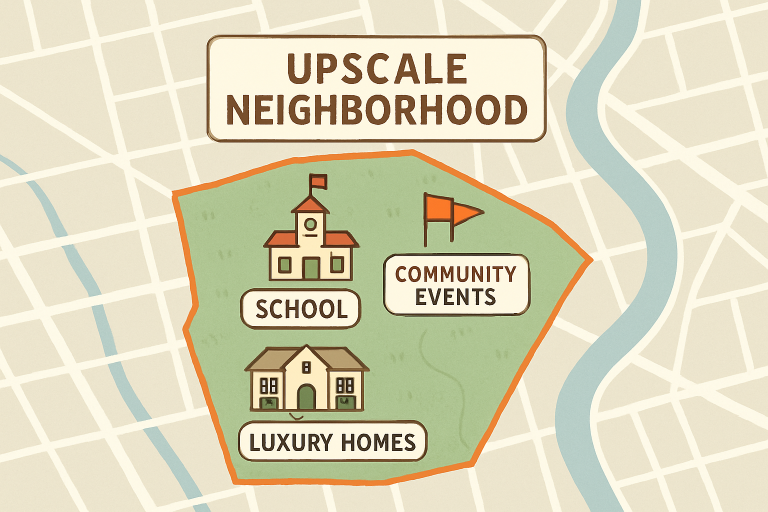
Luxury enclave dynamics vary block by block, from school boundaries to HOA rules, with elite agents trusted for their detailed knowledge. This helps high-net-worth clients navigate challenges, maximize investments, and access off-market listings often unavailable publicly. In cities like Los Angeles, Manhattan, and Miami, exclusive properties often have private prices and limited marketing, circulating privately among top agents who vet details like history and infrastructure. Mastery of local nuances, such as street desirability and proximity to private schools, increases an agent’s value. Industry research shows localized knowledge leads to better negotiations and higher satisfaction. Instead of covering entire metro areas, elite agents focus on niche markets, like Beverly Hills’ 90210, where sales are high-value, quick, and discreet. Focusing on a specific area builds reputation, drives revenue, and fosters trust through community presence and local connections. This hyperlocal approach consolidates authority, attracting high-net-worth clients and making off-market deals and subtle value options easier to identify.
Understanding Seller Motivations
Local knowledge offers a unique perspective on why owners are selling—and these motivations often diverge from common assumptions. While financial duress, inheritance transitions, or time-sensitive relocations can render sellers more flexible, some sellers are more interested in finding buyers who fit a certain profile or will maintain the home’s legacy. Agents with authentic relationships and a nuanced understanding of these underlying motivations can craft compelling, personalized offers that address the seller’s unique goals. This capability often makes the difference in competitive, fast-moving markets.
Identifying the subtleties that drive seller decision-making is especially valuable when properties never reach the open market. Trusted local agents can quietly connect the right buyer with the right property, ensuring maximum privacy and tailored terms.
Leveraging Local Demand-Supply Dynamics
Subtle ebbs and flows of inventory and buyer activity shape real estate markets. Agents with access to hyperlocal data—such as comparisons of recent sales, the average time on market for luxury homes, or micro-trends unique to specific neighborhood pockets—can set realistic expectations and formulate effective negotiation strategies. In a neighborhood flush with buyers but short on inventory, standout offers require creative tactics, such as escalation clauses, lease-back provisions, or personalized buyer letters that appeal to the seller’s emotional drivers.
Conversely, when inventory outpaces demand, knowing which listings are lingering—and the reasons behind slow movement—empowers agents to negotiate more aggressively on price or terms. Advanced market analytics and neighborhood trend reports enhance an agent’s ability to guide clients through these rapidly changing waters, as The Wall Street Journal examines the effectiveness of data literacy in modern real estate practices.
Engaging with Local Expertise
There’s no substitute for the kind of intelligence agents uncover by becoming fixtures at neighborhood meetings, property tours, and networking functions within hyperlocal real estate groups. By developing relationships with local inspectors, developers, and even city officials, an elite agent gains advance notice of property availabilities and zoning changes that impact valuations or project approvals.
Building Strategic Alliances
Savvy agents understand that genuine collaboration with their peers further magnifies results. Open dialogue with fellow luxury real estate professionals often reveals unlisted homes and the motivations behind off-market transactions. These community connections enable agents to offer their clients intelligence, options, and discretion that far exceed conventional market guidance.
Conclusion
Elite real estate is defined as much by relationships and specialty knowledge as by price tags or architectural pedigree. Agents who invest in their hyperlocal market insight—constantly learning from the neighborhood pulse and building sincere partnerships—emerge as trusted allies to some of the world’s most discerning property owners and buyers. This expertise not only closes deals but also builds legacies and establishes long-term, high-value client connections.